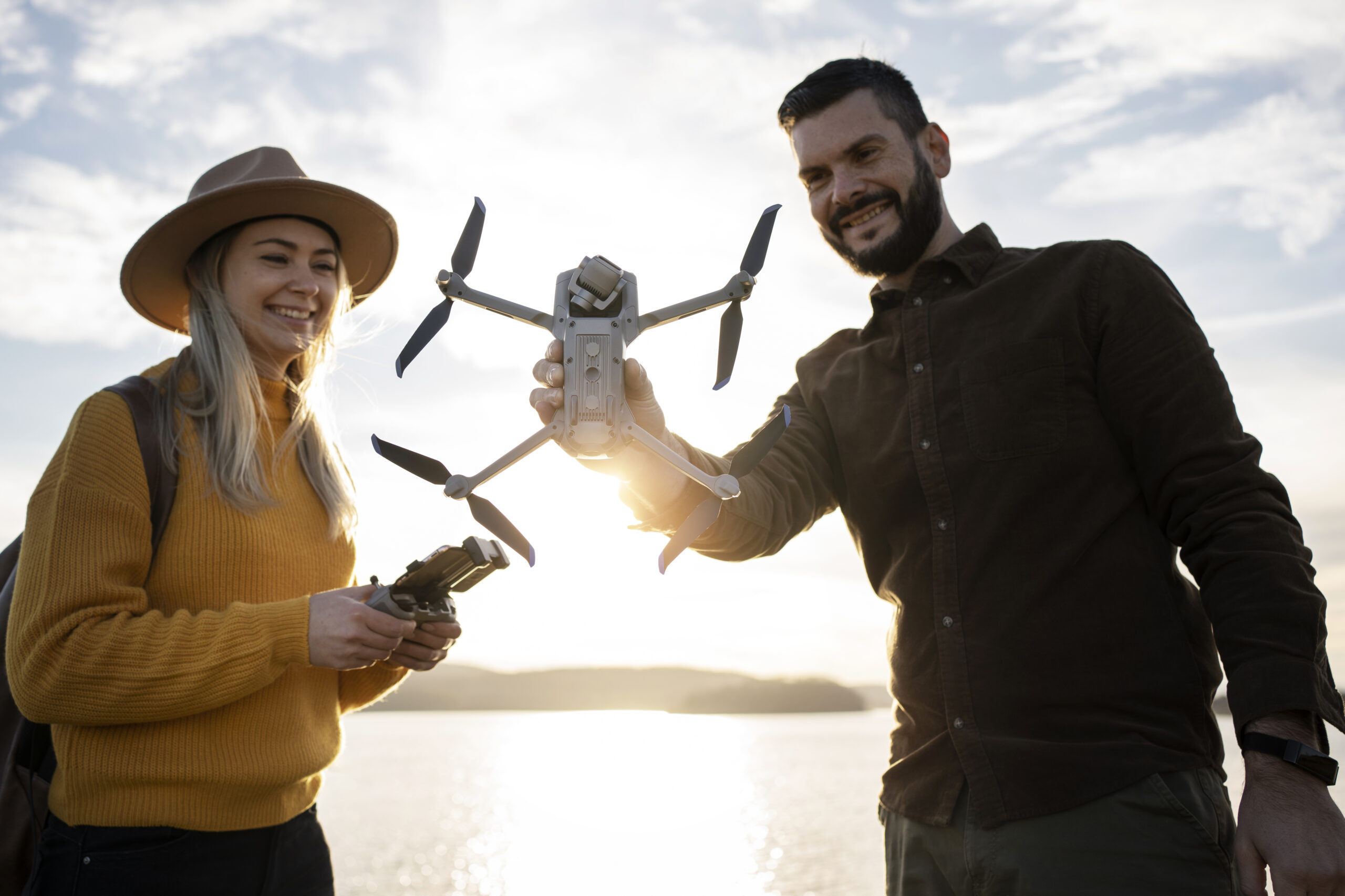
Drone Insurance: Protect Crew, Gear, and Operations
When venturing into the rapidly growing world of drone operations, having the right insurance is no longer just an option—it’s a necessity. AssuredPartners Aerospace provides tailored coverage that ensures you’re protected against the most common risks associated with drones and Unmanned Aerial Vehicles (UAVs). Whether you’re using your drone for professional tasks or personal use, the specialized experience and expertise of companies like AssuredPartners are crucial in understanding the unique requirements and challenges of drone insurance. Offering policy options that can be customized to fit your needs, they cover everything from bodily injury to property damage claims arising from the ownership or maintenance of your drone, providing peace of mind as you navigate this cutting-edge industry.
Coverage doesn’t stop there; protections are available to safeguard not only your drone but also the accessories attached to it. Imagine the headache of replacing or repairing your drone in the event of damage—hull replacement ensures you’re not left with costly bills. On top of that, the ability to extend coverage to those who may borrow or operate your drone on your behalf is a game-changer for both individuals and businesses alike. With drone technology expanding and segmentation growing in industries such as agriculture, cinematography, and delivery, ensuring you have the right protection tailored to your unique needs is paramount.
A major part of drone insurance involves understanding the flexibility offered by these policy options. With third-party liability covering a wide range of incidents, from unexpected crashes to damage caused during operations, your policy can evolve as your operations expand. Liability, maintenance, and use are all key components covered in such policies, making sure you’re never caught off-guard. No matter what your needs are, there’s a specialized policy designed to provide the protection you need as drones continue to soar higher in both popularity and complexity.
Specialized Coverage Options for Drone Operations
Field Equipment Coverage
When it comes to ensuring your drone remains protected, proper field equipment is essential, as it provides comprehensive coverage for all the items needed to launch, operate, and land your drone safely. From sturdy cases and maintenance tools to deployment gear, the right setup ensures operational efficiency while safeguarding functionality. Every piece of equipment plays a role in supporting smooth operation, enhancing flight stability, and maintaining overall readiness, making it a critical investment for anyone serious about aerial technology.
Accessory coverage
When managing drones, one of the most overlooked aspects is accessory management, yet proper coverage can make a huge difference in operational efficiency. From my experience, ensuring cameras and other critical sensors are included under a clear policy drastically reduces downtime during inspections. Even smaller payloads can face risks that are often identified too late, so integrating them into your maintenance and insurance plan is essential.
Choosing the right accessory often depends on compatibility and mission requirements, but having coverage for unexpected failures brings peace of mind. High-end cameras and precision sensors can be costly, and a thoughtful policy ensures replacements or repairs are handled smoothly, especially when payloads vary across projects. I’ve seen teams neglect this step and lose significant hours waiting for replacements that a simple coverage plan would have addressed.
Drone Insurance
Field Equipment Coverage
When you launch and operate a drone in the field, having full coverage for every piece of equipment is essential. From cameras, sensors, and payloads to smaller accessories and critical devices, ensuring each item is protected under a clear policy safeguards operational efficiency. Proper setup, maintenance, and deployment of gear and hardware not only preserve functionality during flight but also prevent delays that occur when components or instruments fail unexpectedly. Including specialized apparatus, machinery, and modern technology in your coverage plan has been a game-changer in my experience, letting teams focus on operation rather than repairs.
A well-thought-out support structure for drones and all related equipment ensures that every tool and component remains mission-ready. By accounting for payloads, sensors, cameras, and other devices in the field, teams can operate with confidence, knowing that any necessary replacements or interventions are already covered. This comprehensive approach to equipment coverage makes flight, operation, and even landing safer and more predictable, while maintaining peak performance of all instruments, apparatus, and hardware critical to successful drone deployment.
Accessory Coverage
When managing drones, ensuring coverage for all accessories and attachments is crucial for seamless operational performance. From cameras, sensors, and payloads to specialized modules and add-ons, every component or enhancement must be identified and protected under a clear policy. Proper handling of equipment, including gimbals, mounts, and optics, ensures that imaging and vision systems remain functional throughout operation, while auxiliary devices, tools, and instruments support the overall mission. Integrating modern technology into hardware and systems not only strengthens functionality but also minimizes downtime caused by unforeseen equipment failures.
From my experience, documenting and maintaining every component, whether it’s a high-end camera, sensitive sensor, or auxiliary device, is essential. Ensuring coverage extends to extras, enhancements, and all add-ons safeguards the full spectrum of equipment, modules, and attachments, allowing drones to perform consistently during missions. A comprehensive policy that addresses operational tools, instruments, and hardware guarantees functional systems and reliable imaging capabilities, letting teams focus on execution rather than repairs or replacements.
Liability Coverage
Operating a drone comes with inherent risk, and having robust liability coverage is essential to ensure both financial and legal protection. Every operator must understand their responsibility and legal-responsibility, as accidents can result in significant damages, claims, and exposure. A clear insurance policyholder arrangement defines the coverage-terms, outlines obligation and fault, and specifies the coverage-policy, ensuring that coverage-provided aligns with real-world coverage-risk. Proper claims-management and indemnity protocols help the insured secure timely compensation, while reinforcing accountability and mitigating potential legal-liability.
From my experience, treating liability as an active part of drone operations rather than a passive safety net changes how teams plan and execute missions. Every operator and policyholder benefits when coverage accounts for damages, accidents, and unexpected exposure, while clearly defining responsibility and fault. This approach ensures protection for equipment, operators, and stakeholders, provides structured claims-management, and guarantees that coverage-provided truly supports the insured in all legal and financial aspects of drone operation, reinforcing both obligation and accountability at every level.
Air Crew Coverage
Ensuring proper coverage for air crew, including pilots, operators, spotters, and ground personnel, is essential for safe drone operations, as it establishes clear liability, protection, and responsibility across the entire team; experienced aviation personnel know that effective supervision, monitoring, and control enhance safety while maintaining accountability, and a well-structured plan ensures that every insured member of the crew understands their oversight obligations during flight, reducing risk and reinforcing operational discipline.
Conclusion
In summary, comprehensive drone insurance is essential for safeguarding every aspect of drone operations, from accessories and field equipment to the air crew itself, ensuring full coverage for drones, operators, pilots, and all supporting personnel. By integrating well-defined policies, clear liability terms, and structured claims-management, operators can mitigate financial, legal, and operational risk while maintaining peak functionality of equipment, payloads, sensors, and imaging systems. A strategic approach that addresses both hardware and human elements enhances safety, accountability, and operational confidence, making insurance a critical component of professional drone deployment.